
Liminal Spaces in Shizuoka and Tokai: 8 Real Places, From Escalators of Light to a Showa-Era Station
In Shizuoka, Gifu and Mie, escalators of light that climb endlessly into a mountain, an experiential artwork that throws off your sense of balance and a Showa-era station building after the pilgrims have gone are all places anyone can visit. At a quiet hour, you can feel the stillness of places slightly out of step with reality. Here are eight places registered on LIMap.

In Shizuoka and Tokai, Liminal Spaces Gather in Spaces for Passing Through and in Made Landscapes
The liminal spaces you find in Shizuoka and Tokai have two main features. The first is spaces on the way somewhere: long escalators climbing to a museum, the concourse of an old station, the top floors of a prefectural office and a harbor building. When few people are around, the stillness of spaces meant only for passing through stands out.
The second is landscapes made by people: an experiential artwork spread across a slope, huge architecture following a valley, a dam whose lake covers a village. This article introduces places in Shizuoka, Gifu and Mie chosen on one condition: anyone can go there today.
Shizuoka: Escalators of Light and the Top of a Prefectural Office
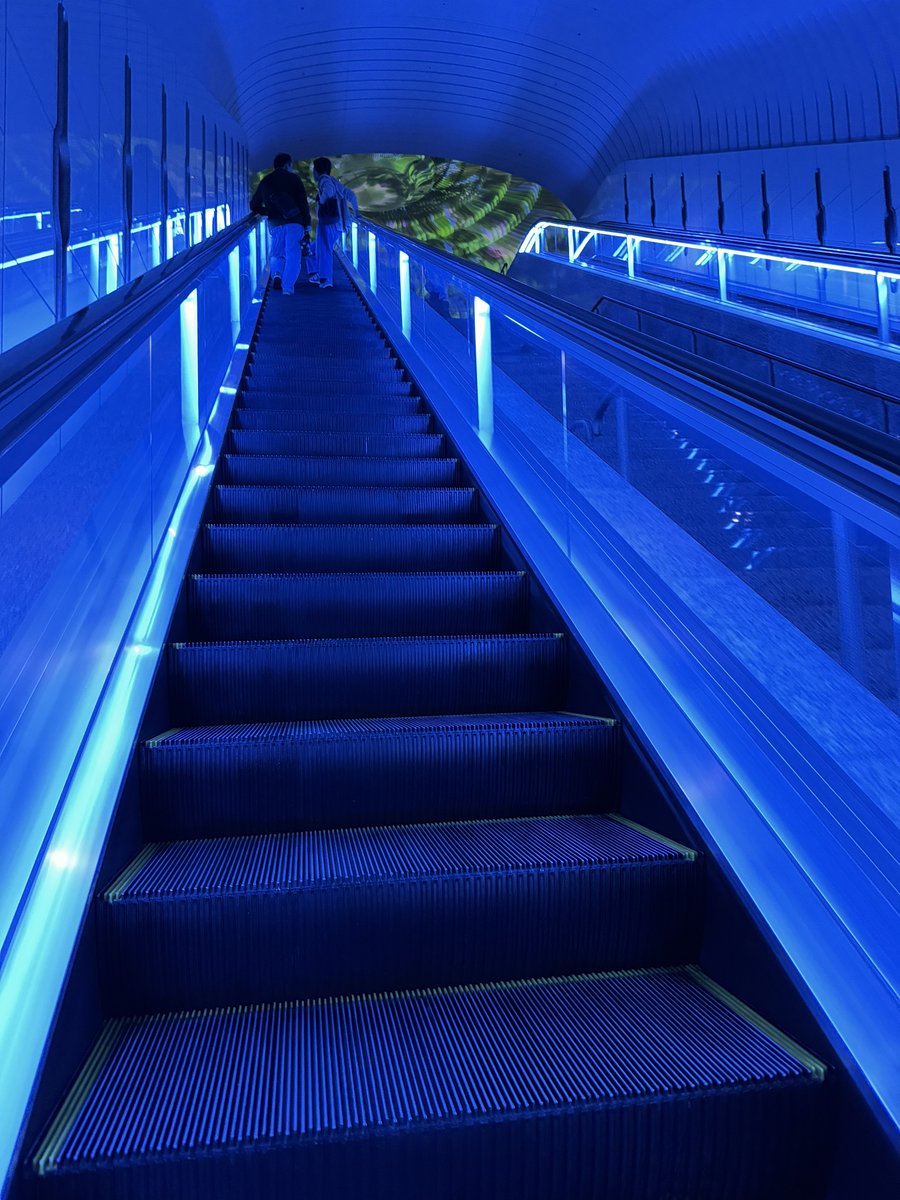
The MOA Museum of Art in Atami opened in 1982. From the entrance to the main building on the hill, you ride a long series of escalators up a height difference of 48.5 meters. The long escalator passage with shifting colored light, and a 20-meter underground dome partway up, become a space where you keep moving through light toward a destination you cannot see.
On the 21st floor, the top of the Shizuoka Prefectural Office annex completed in 1996, is an observation lobby. Anyone can go up for free without a reservation or sign-in, and on clear days you can see Mt. Fuji and Suruga Bay. On a quiet weekday evening, only the plain government interior and the wall-to-wall view spread out in an oddly quiet way.

Gifu: An Artwork That Throws Off Your Balance, and Huge Architecture in a Valley
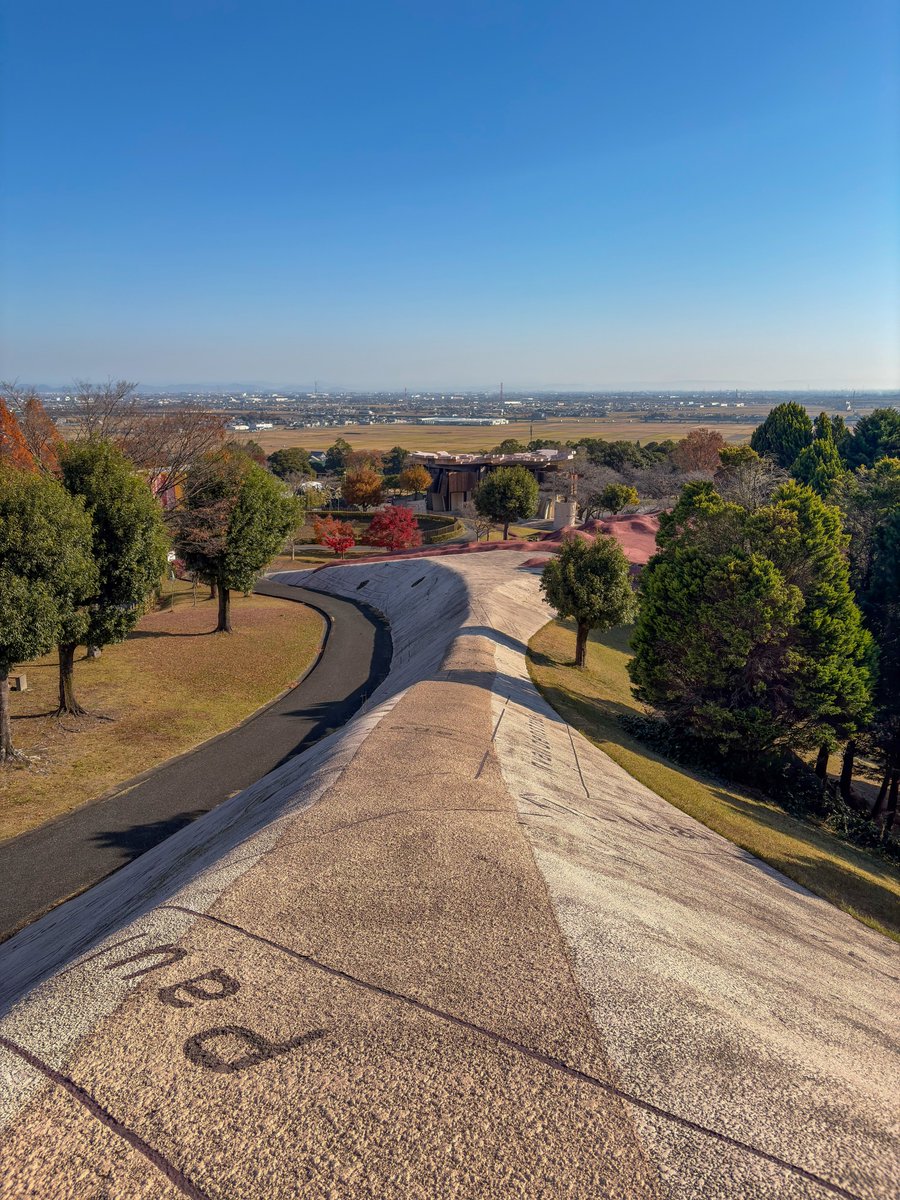
The Site of Reversible Destiny, conceived by artists Shusaku Arakawa and Madeline Gins, opened in 1995 as an experiential work. Across a bowl-shaped terrain spread tilted walls, 148 winding paths and five models of the Japanese archipelago, and as you walk your sense of balance slowly shifts. Walking its slopes at a quiet hour feels like wandering into the terrain of a dream.
Ceramic Park MINO in Tajimi is a ceramics complex that opened in 2002. Designed by Arata Isozaki & Associates with Kumagai Architects, it spreads huge stone- and tile-clad buildings, plazas and long passages along a valley in the hills. On days without events there is almost no one there, and it has the stillness of ruins where only the buildings remain.

An Arcade in Gifu's Nightlife District, and a Village Beneath a Lake
Yanagase in Gifu City is a nightlife district made famous nationwide by the Showa-era song "Yanagase Blues." In 1960, Yanagase-dori got the first all-weather arcade roof in the prefecture. Since the department stores left, a street that is dim even by day runs on under the long roof, with many shutters down. Part of the northern arcade is scheduled to be removed over about ten years because of its age.
Tokuyama Dam in Ibigawa was completed in 2008. At the bottom of its lake lie the settlements of the former village of Tokuyama. When the water level drops, the outlines of the land where the settlements stood sometimes faintly appear above the surface. Beneath the quiet lake, the traces of past lives lie sleeping.


Mie: An Observation Room Over Factory Lights, and a Showa-Era Station
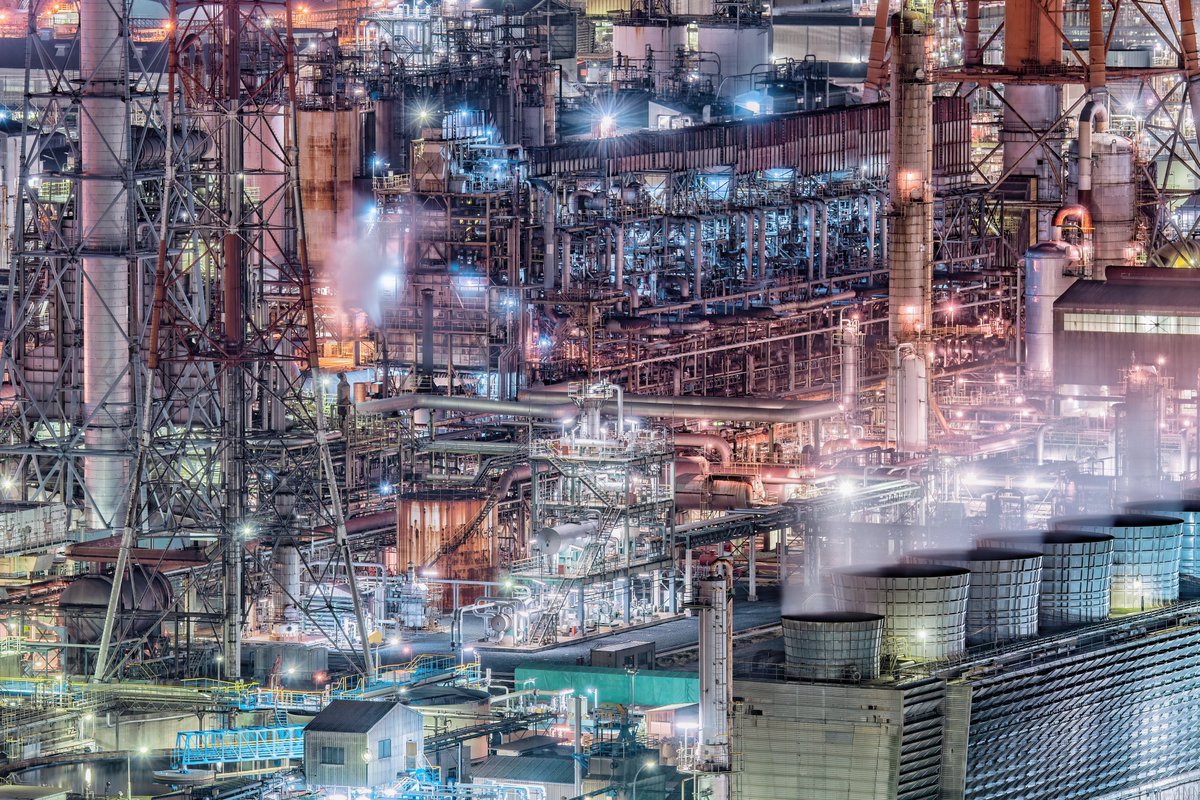
The Yokkaichi Port Building is a 100-meter tower built in 1999 to mark the 100th anniversary of the opening of Yokkaichi Port. From its 14th-floor observation room, Umiterasu 14, about 90 meters up, the harbor and the petrochemical complex spread out beyond the windows, and at night only the factory lights quietly flicker. On weekdays the room is nearly empty, a vacant space looking down on factories that never stop.
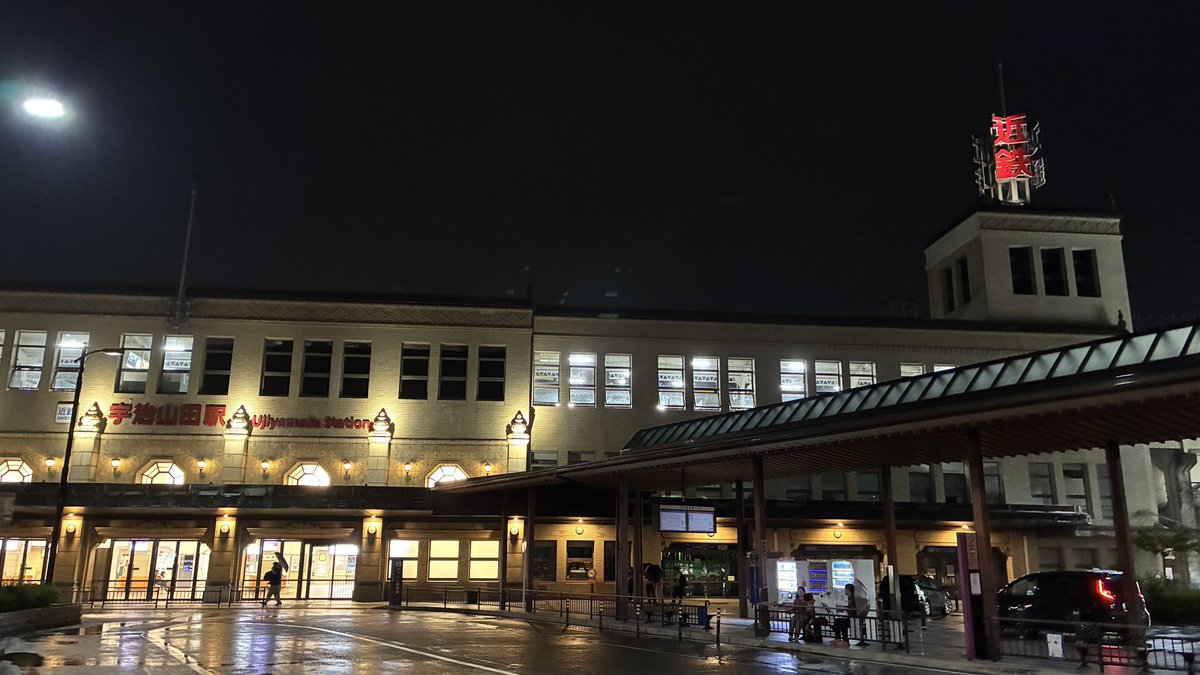
Kintetsu's Ujiyamada Station in Ise opened in 1931. Designed by Setsu Kuno, its 128-meter-wide facade is covered in cream terracotta tiles under a roof of Spanish tiles. It is a Registered Tangible Cultural Property and is still in use as a station. At night, after the waves of Ise pilgrims have gone, its high-ceilinged concourse holds a stillness in which you can no longer tell what era it is.

Practical Notes for Visiting
Government offices, stations and shopping streets are places people still work in and use. When taking photos, take care not to capture staff, passengers or passersby clearly. The MOA Museum of Art bans flash, tripods and selfie sticks throughout the building.
The Shizuoka Prefectural Office observation lobby is closed on the third Saturday of each month and the following Sunday. The Site of Reversible Destiny has slopes and hollows, so wear comfortable shoes. The Yanagase arcade is scheduled to be removed little by little. Some roads around Tokuyama Dam close for snow in winter.
If You Shoot It, Put It on the Map
Shizuoka and Tokai still have many old station buildings and strange made landscapes that no one has recorded. The station concourse you use every day may look like a different place late at night.
LIMap is a map for recording those places with photos and locations. If you find one, please add it.
FAQ
Is there a free place to visit in Shizuoka?
The Mt. Fuji observation lobby on the 21st floor of the Shizuoka Prefectural Office annex is free and needs no reservation or sign-in. It is about a 15-minute walk from the north exit of JR Shizuoka Station and is open 8:30 to 18:00 on weekdays and 10:00 to 18:00 on weekends and holidays.
How much do the paid places cost?
The MOA Museum of Art costs 2,000 yen, the Site of Reversible Destiny 850 yen and Umiterasu 14 at the Yokkaichi Port Building 310 yen for adults. The Yanagase arcade, the outdoor plazas of Ceramic Park MINO and the concourse outside the ticket gates at Ujiyamada Station are free.
Is the Yanagase arcade going away?
In 2025 it was reported that part of the northern arcade will be removed over about ten years because of its age. It is still standing for now, but check the latest situation before you go.
Found a liminal space of your own?
Record the photo and location on LIMap, and share it with people who feel the same pull toward these places.
Open the LIMap map
If this article opened a door to somewhere new,
you can support LIMap on Ko-fi →
You Might Also Like
 Games
7 Games Where You Can Walk Through Liminal Spaces: The Exit 8, Pools, Escape the Backrooms and More
Games
7 Games Where You Can Walk Through Liminal Spaces: The Exit 8, Pools, Escape the Backrooms and More
 Games
What Is the Game Pools? The Poolrooms Game, and Real Places That Feel Like Pools
Games
What Is the Game Pools? The Poolrooms Game, and Real Places That Feel Like Pools
 Real Spots
Liminal Spaces in North Kanto: 9 Real Places, From an Underground Quarry to the Top Floors of Prefectural Offices
Real Spots
Liminal Spaces in North Kanto: 9 Real Places, From an Underground Quarry to the Top Floors of Prefectural Offices
 Real Spots
Liminal Spaces in Okinawa: 7 Real Places, From a Beach Under an Elevated Road to Japan's Southernmost Arcade
Real Spots
Liminal Spaces in Okinawa: 7 Real Places, From a Beach Under an Elevated Road to Japan's Southernmost Arcade