
Liminal Spaces in North Kanto: 9 Real Places, From an Underground Quarry to the Top Floors of Prefectural Offices
In Ibaraki, Tochigi and Gunma, a sunken plaza in a planned city, a vast underground space left after stone was quarried out and the top floors of prefectural offices open free until late at night are all places anyone can visit. At a quiet hour, only an unexplained spaciousness and stillness remain. Here are nine places registered on LIMap.

In North Kanto, Liminal Spaces Gather in Artificial Architecture and in Retired Railways and Underground Spaces
The liminal spaces you find in North Kanto have two main features. The first is the artificial spaces of planned cities and public buildings: a plaza in a research city, a tower made purely of geometry, the top floor of a prefectural office open late. When few people are around, only spaces whose purpose is unclear remain.
The second is railway lines and underground spaces left behind after their work ended: the underground left by quarrying, the bridges and tunnels of a closed railway, a platform without tracks. This article introduces places in Ibaraki, Tochigi and Gunma chosen on one condition: anyone can go there today.
Ibaraki: A Sunken Plaza and a Twisting Tower
Tsukuba Center Square is the plaza of the Tsukuba Center Building, completed in 1983 at the heart of Tsukuba Science City. Designed by Arata Isozaki, it inverts Rome's Piazza del Campidoglio, sinking an oval plaza below its surroundings with a fountain at the center. Early on weekday mornings without events, or on rainy nights, the plaza enclosed by stone steps and walls takes on the stillness of a place where you have been left behind alone.
The tower of Art Tower Mito, 100 meters tall and completed in 1990, was also designed by Arata Isozaki. It is a spiral built by stacking equilateral triangular titanium panels in a twist. The observation room, 86.4 meters up and reached by a glass elevator, is a small space for 19 people, and looking down on the city through its small windows feels like being shut inside geometry.


Tochigi: An Underground Temple and a Prefectural Office at Night
The Oya History Museum in Utsunomiya is an underground space left by about 70 years of quarrying Oya stone, from 1919 to 1986. It covers about 20,000 square meters, reaches 60 meters below ground at its deepest and stays around 8°C all year. Huge walls and pillars cut in straight lines stretch on under dim lights, like a temple forgotten underground.
On the 15th floor of the Tochigi Prefectural Office main building, completed in 2007, is a corridor-style observation lobby. A glass-walled hallway about 65 meters up wraps around the building and is open free until 9 p.m. every day. After office hours, looking out at Utsunomiya's night view from an empty government corridor feels slightly outside reality.

Gunma: A 153-Meter Prefectural Office and a Hall With the Lights Down
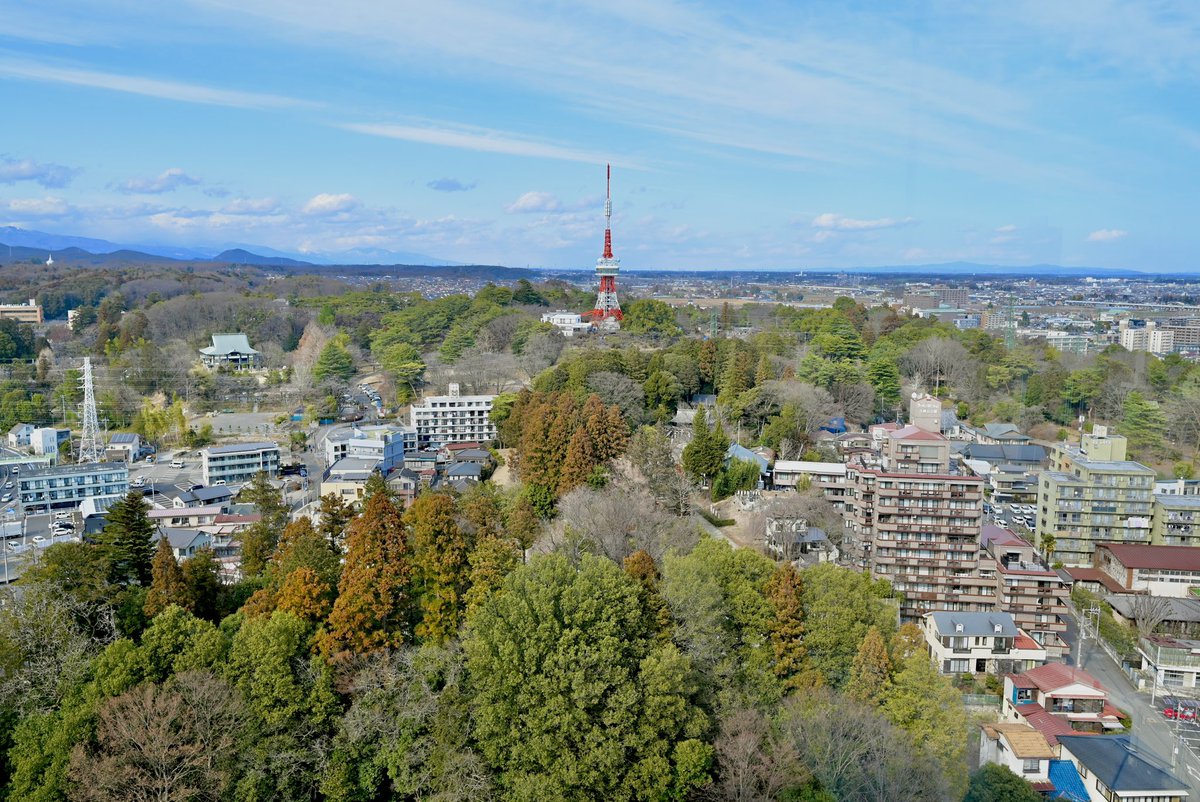
The Gunma Prefectural Office in Maebashi is a 153.8-meter building completed in 1999. The entire 32nd floor, 127 meters up, is a free observation hall open until 10 p.m. Looking down on the Jomo mountains and the lights of the Kanto Plain from the empty floor at night, you forget you are inside a government building.
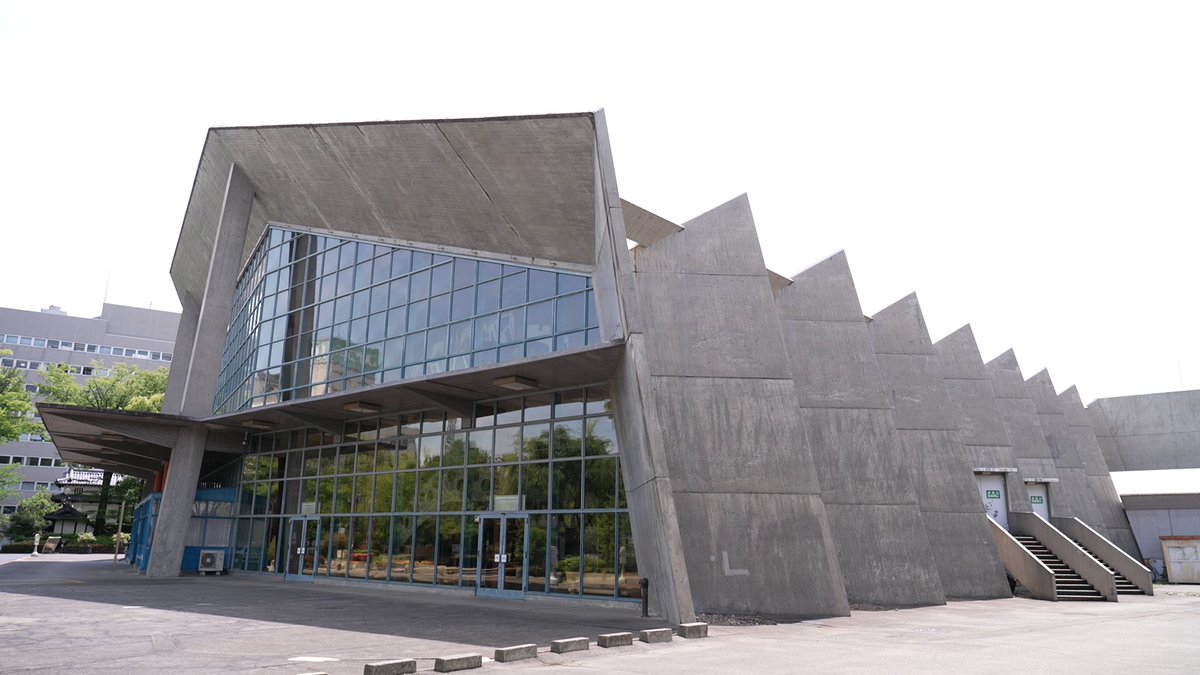
The Gunma Music Center in Takasaki is a concert hall designed by Antonin Raymond and completed in 1961. Local citizens donated 100 million of its 300-million-yen construction cost, and a folded concrete structure like a folding screen covers a large auditorium without columns. On designated visiting days without events, you can walk through the empty seats and lobby with the lights left down.


Retired Railways: From the Megane Bridge to Kumanodaira, and the Platform at Makabe
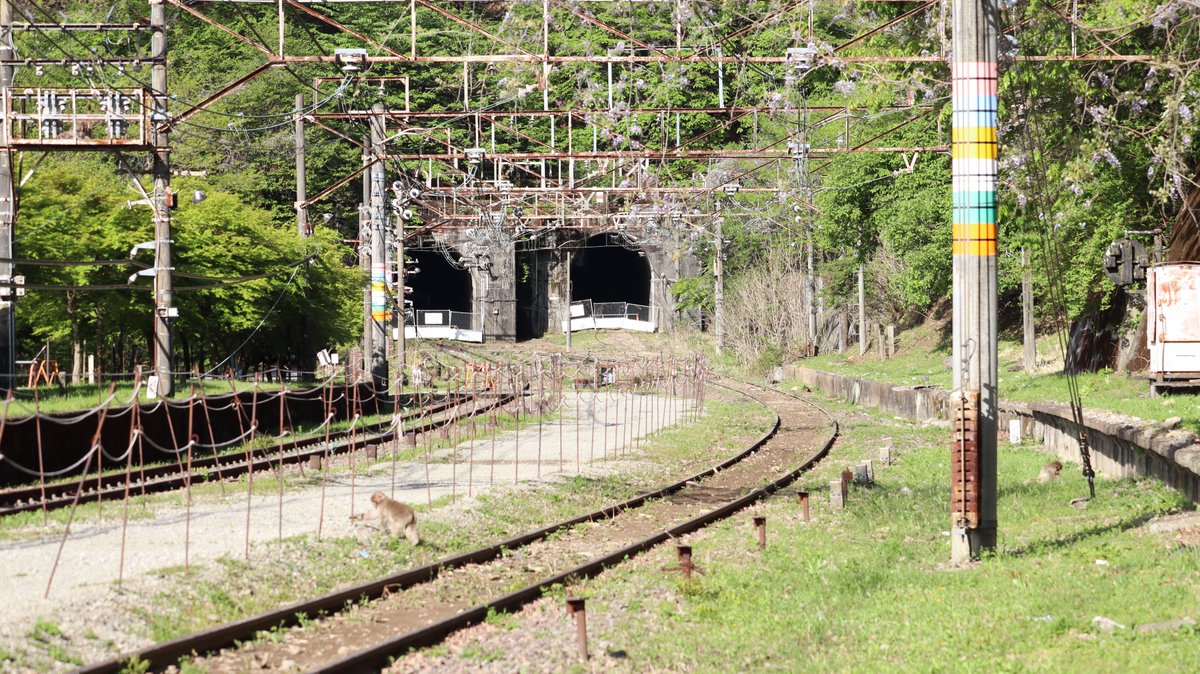
The Usui No. 3 Bridge in Annaka, Gunma, known as the Megane Bridge, is a brick arch bridge on the former Shin'etsu Main Line completed in 1893. It is 91 meters long and 31 meters above the river, built from about two million bricks. About 6 kilometers of the abandoned line, from Yokokawa Station to the site of Kumanodaira Station, have become the Abt Road walking path, where you can walk across the bridge and through a series of tunnels. At the end, the Kumanodaira site still has mossy platforms, a substation building and tunnel portals.
The site of Makabe Station in Sakuragawa, Ibaraki, was a station on the Tsukuba Railway, which closed in 1987. The tracks are gone, but the platform remains and now serves as a rest stop on the Tsukuba-Kasumigaura Rinrin Road cycling route. Partway along a straight path where no train will come, only the platform stands quietly.


Practical Notes for Visiting
The prefectural office observation decks are inside working government buildings. Take care not to photograph staff, visitors or people at the attached cafés. The interior of the Gunma Music Center can only be visited on designated days without events; check the Takasaki Foundation website before you go.
The Oya quarry is cold all year, so bring a jacket even in summer. The tunnel lights on the Abt Road are on only from 7:00 to 18:00, so do not walk it after dark. The Art Tower Mito may be closed to visitors in bad weather.
If You Shoot It, Put It on the Map
North Kanto still has many planned-city plazas and retired railway sites that no one has recorded. The station plaza you pass every day may look like a different place early in the morning.
LIMap is a map for recording those places with photos and locations. If you find one, please add it.
FAQ
Are there places I can visit at night?
The Tochigi Prefectural Office observation lobby is open until 9 p.m. and the Gunma Prefectural Office observation hall until 10 p.m., both free. Tsukuba Center Square is an outdoor plaza you can enter at any time.
Are there places I can visit for free?
Tsukuba Center Square, the Tochigi and Gunma prefectural office observation decks, the Abt Road and the Makabe Station site are free. The Art Tower Mito costs 200 yen for adults, and the Oya History Museum costs 1,000 yen.
Can I see inside the Gunma Music Center at any time?
The interior is open only on designated days without events or inspections, which are listed on the Takasaki Foundation website. You can see the exterior at any time.
Found a liminal space of your own?
Record the photo and location on LIMap, and share it with people who feel the same pull toward these places.
Open the LIMap map
If this article opened a door to somewhere new,
you can support LIMap on Ko-fi →
You Might Also Like
 Games
7 Games Where You Can Walk Through Liminal Spaces: The Exit 8, Pools, Escape the Backrooms and More
Games
7 Games Where You Can Walk Through Liminal Spaces: The Exit 8, Pools, Escape the Backrooms and More
 Games
What Is the Game Pools? The Poolrooms Game, and Real Places That Feel Like Pools
Games
What Is the Game Pools? The Poolrooms Game, and Real Places That Feel Like Pools
 Real Spots
Liminal Spaces in Shizuoka and Tokai: 8 Real Places, From Escalators of Light to a Showa-Era Station
Real Spots
Liminal Spaces in Shizuoka and Tokai: 8 Real Places, From Escalators of Light to a Showa-Era Station
 Real Spots
Liminal Spaces in Okinawa: 7 Real Places, From a Beach Under an Elevated Road to Japan's Southernmost Arcade
Real Spots
Liminal Spaces in Okinawa: 7 Real Places, From a Beach Under an Elevated Road to Japan's Southernmost Arcade