
Liminal Spaces in Nagoya: 8 Real Places, From Underground Malls to Showa-Era Public Buildings
Nagoya is full of underground malls where the same view repeats without end, and old public buildings with long corridors that are still in everyday use. Visit at a quiet hour and a familiar place can suddenly feel like somewhere you have never been. Here are eight places registered on LIMap that anyone can visit.

In Nagoya, Liminal Spaces Gather Underground and in Old Public Buildings
The liminal spaces you find in Nagoya have two main features. The first is its underground malls. Beneath Nagoya Station, Sakae and Fushimi, malls dating back to the 1950s spread like a web, with corridors of the same width and similar shopfronts going on and on.
The second is public buildings from the early Showa era that are still in use: long corridors, identical windows and doors, marble staircases. Inside a city hall or a former courthouse, a particular stillness appears only when few people are around. Every place in this article was chosen on one condition: anyone can go there today.
Underground Malls: Straight-Line Fushimi and Curving Sunroad
Fushimi Underground Mall (Choja-machi Underground Mall) runs in a straight line east from Fushimi subway station for 240 meters. It opened in 1957 as an underground wholesale street linking the station with the Choja-machi textile district above. Shops line only one side of the corridor, and the walls painted yellow-green and orange, with exposed pipes, keep the air of its opening years.
Meieki Underground Mall Sunroad opened in March of the same year and is the oldest underground mall in Nagoya. Because it was built together with the Higashiyama subway line, its original corridor curves along the tracks. With similar shopfronts continuing around a bend you cannot see past, it can feel as if you are walking without ever arriving anywhere.
 Fushimi Underground Mall (Choja-machi Underground Mall)
 Meieki Underground Mall Sunroad
Showa-Era Public Buildings: A 100-Meter Corridor and a Red-Brick Former Courthouse
Nagoya City Hall's main building was completed in 1933 and is still in use. In 2014 it was designated an Important Cultural Property of Japan together with the neighboring Aichi Prefectural Government building. Its north corridor is about 100 meters long, and its endless rows of identical windows and doors have been used for film and TV shoots. On weekdays during office hours, visitors can walk the corridors and staircases.
Nearby, the Nagoya City Archives occupies a red-brick building built as a courthouse in 1922. It served as a court until 1979 and is now open to the public free of charge. A central staircase of marble and stained glass, a reconstructed courtroom, corridors of identical doors: the building is filled with the quiet of a place that has finished its work.
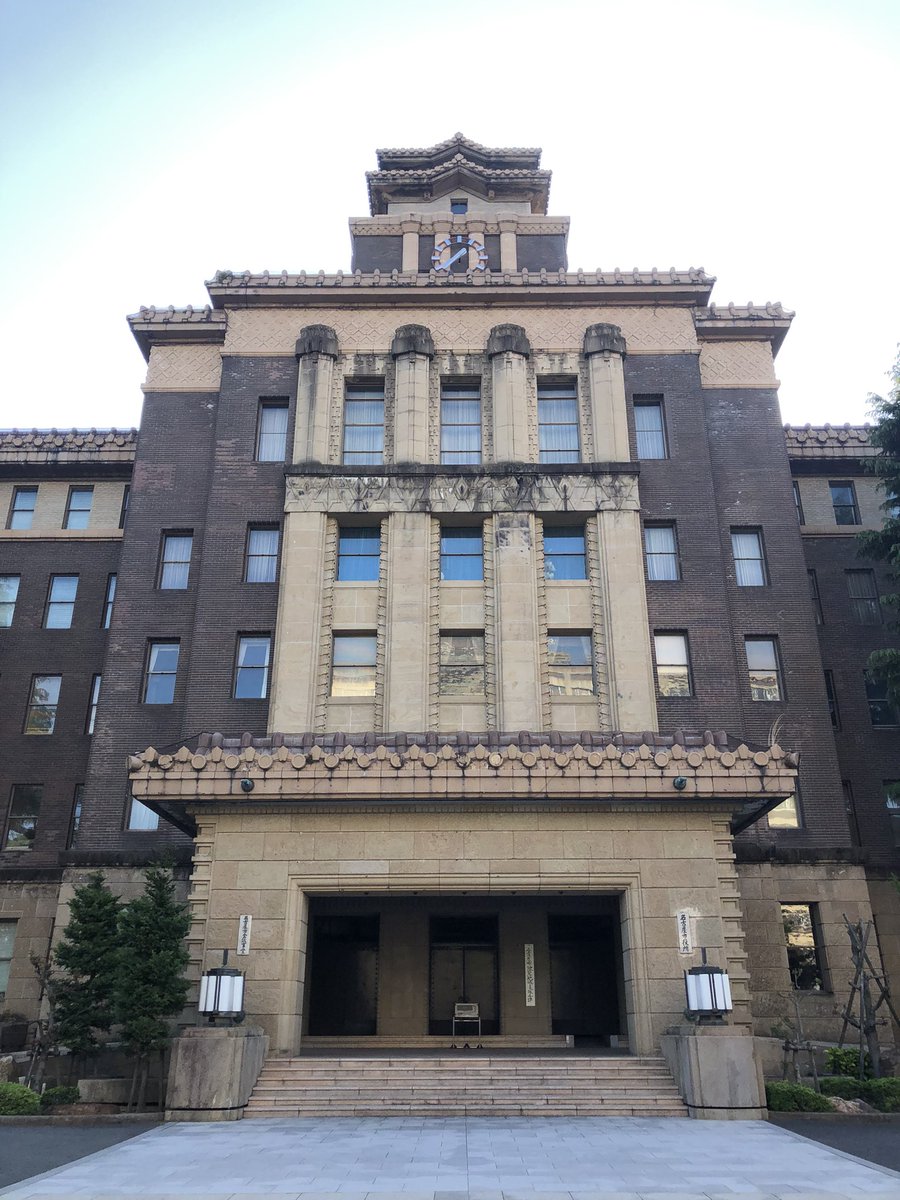 Nagoya City Hall Main Building
 Nagoya City Archives (Former Nagoya Court of Appeals)

A Roof of Water and an Observation Tower in the Woods
Oasis 21 in Sakae, opened in 2002, combines a park, a bus terminal and shops in a single multi-level space. A thin layer of water runs across its glass roof, the "Spaceship-Aqua," and patterns of light ripple across the sunken plaza below. Early in the morning or late at night, standing in the empty plaza can feel like being left behind inside a future imagined long ago.
Higashiyama Sky Tower is a 134-meter observation tower on a hill in Higashiyama Park, opened in 1989 to mark the 100th anniversary of the city. You reach it along a path through the woods from the station, and look down on the city lights from an observation room 100 meters up. On weekday evenings, only a few figures share the quiet.


What an Exposition Left Behind, and an Arcade in the Morning
Tsurumai Park, opened in 1909, was the first public park created by the city of Nagoya. The fountain tower at its center was built the following year for an exposition held in the park (the 10th Kansai Prefectural Joint Exhibition). It was dismantled in 1973 for subway construction and restored to its original form in 1977. Early in the morning, with no one around its ring of columns, it looks like the grounds left behind after an exposition has ended.
Endoji Shopping Street in Nagono, east of Nagoya Station, dates back to the Edo period. Its arcade roof was built in 1964 and renovated in 2015. It is lively during the day, but early in the morning, before the shops open, the long arcade becomes a quiet passage lined with nothing but shutters and signboards.

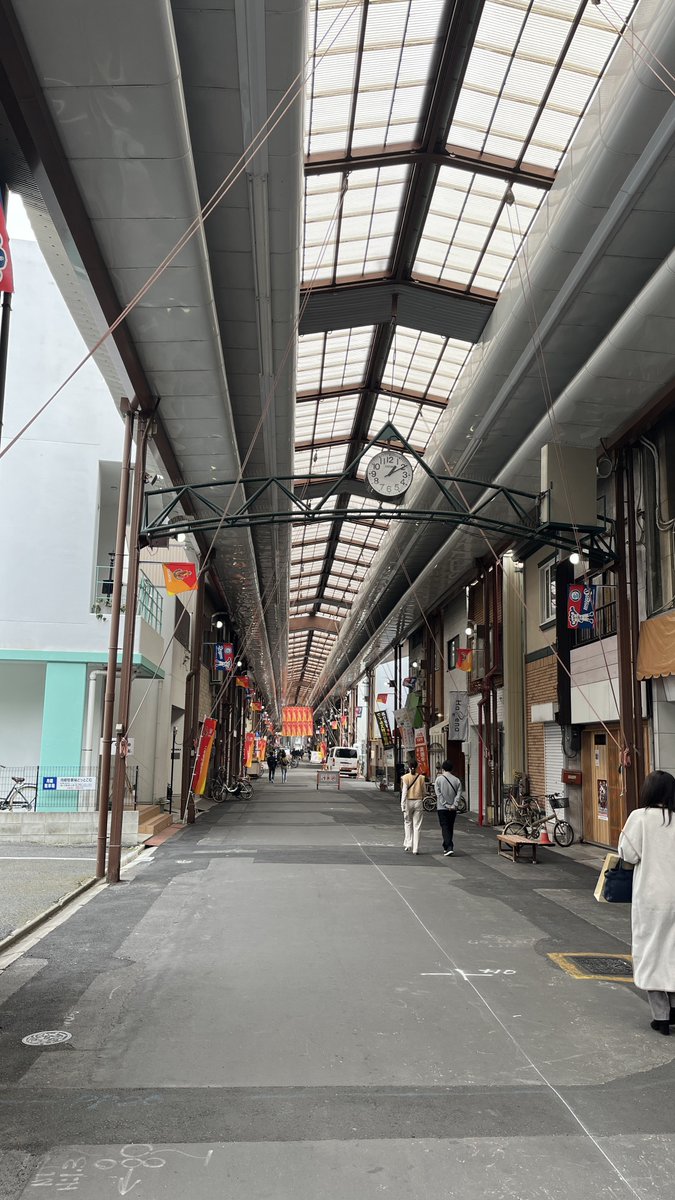
Practical Notes for Visiting
Underground malls and shopping streets are part of people's daily lives. When taking photos, take care not to capture shops or people's faces clearly, and do not block the way. Fushimi Underground Mall is only open to pass through at certain times and is often closed on Sundays and holidays, so check before you go.
Visits to Nagoya City Hall are limited to the shared corridors and staircases on weekdays during office hours, and the city asks visitors not to photograph staff or other visitors. The route to Higashiyama Sky Tower passes along a forest path, so take care if you walk it after dark.
If You Shoot It, Put It on the Map
Nagoya still has many underground passages and old buildings that no one has recorded. The transfer corridor you walk through every day may be exactly the view someone else is looking for.
LIMap is a map for recording those places with photos and locations. If you find one, please add it.
FAQ
Where can I easily experience a liminal space in Nagoya?
Try the underground malls around Nagoya Station, Sakae and Fushimi. Fushimi Underground Mall and Meieki Underground Mall Sunroad, both opened in 1957, connect directly to the stations and have long, repetitive corridors that are typical of Nagoya.
Can I go inside Nagoya City Hall?
On weekdays during office hours (8:45 to 17:15), you can walk the shared corridors and staircases. Offices are off-limits, and the city asks visitors not to photograph staff or other visitors.
Are there places I can visit for free?
The Nagoya City Archives is free to enter, and you can see inside the former courthouse built in 1922. Tsurumai Park is open 24 hours for free, and the underground malls and Endoji Shopping Street are free to walk through.
Found a liminal space of your own?
Record the photo and location on LIMap, and share it with people who feel the same pull toward these places.
Open the LIMap map
If this article opened a door to somewhere new,
you can support LIMap on Ko-fi →
You Might Also Like
 Games
7 Games Where You Can Walk Through Liminal Spaces: The Exit 8, Pools, Escape the Backrooms and More
Games
7 Games Where You Can Walk Through Liminal Spaces: The Exit 8, Pools, Escape the Backrooms and More
 Games
What Is the Game Pools? The Poolrooms Game, and Real Places That Feel Like Pools
Games
What Is the Game Pools? The Poolrooms Game, and Real Places That Feel Like Pools
 Real Spots
Liminal Spaces in Shizuoka and Tokai: 8 Real Places, From Escalators of Light to a Showa-Era Station
Real Spots
Liminal Spaces in Shizuoka and Tokai: 8 Real Places, From Escalators of Light to a Showa-Era Station
 Real Spots
Liminal Spaces in North Kanto: 9 Real Places, From an Underground Quarry to the Top Floors of Prefectural Offices
Real Spots
Liminal Spaces in North Kanto: 9 Real Places, From an Underground Quarry to the Top Floors of Prefectural Offices