
バックルームズの「レベル」とは?レベル0からThe Endまでと、公式設定が存在しない理由
バックルームズを調べ始めると、まず「レベル0」「レベル37」といった階層の話に出会います。ところがwikiによって内容が違い、どれが本当なのか分からなくなる——これはよくある躓きです。代表的なレベルを整理しつつ、なぜ設定が一致しないのかまで説明します。
.jpg?width=1200)
レベル(階層)とは何か
バックルームズの世界は「レベル」と呼ばれる階層に分かれている、というのが共通の枠組みです。現実の壁をすり抜けて最初に落ちる場所がレベル0で、そこからさらに別の層へ落ちていく——という入れ子の構造になっています。
この階層構造は、最初の投稿には存在しませんでした。2019年に4chanへ書き込まれた元の文章にあったのは「黄色い部屋が延々と続く」という一点だけ。レベルという概念は、その後に有志が共同でwikiを作っていく過程で発明されたものです。
よく語られる代表的なレベル
レベル0(The Lobby)は、いわゆる「あの黄色い部屋」。黄ばんだ壁紙、湿ったカーペット、蛍光灯の唸り音という定番の三点セットが揃った空間です。危険な存在はいないとされる一方、水も食料もなく、まっすぐ歩いても元の場所に戻ってしまう非ユークリッド的な構造そのものが脅威として描かれます。
レベル1以降は、より広大な倉庫のような空間、駐車場のような空間、と姿を変えていきます。なかでも日本でも人気が高いのがレベル37、通称プールルーム。青いタイルと生ぬるい水に満たされた、恐怖よりも郷愁に近い感覚を呼ぶ空間です。
そして階層の果てにあるとされるのがThe End。ただし、この「終わり」に何があるかはwikiによってまったく違います。
重要:バックルームズに公式設定は存在しない
ここが最も誤解されやすい点です。バックルームズには権利者も原作者もいません。Fandom上の英語wiki、Wikidot上のwiki、日本語圏のwiki——それぞれが独立した世界観を持っており、同じ「レベル4」でも書かれている内容が違います。
つまり「正しいレベル一覧」を探す行為自体に、あまり意味がありません。どのwikiを読んでいるかによって答えが変わるからです。これは欠陥ではなく、特定の作者を持たない共同創作という、このジャンルの成り立ちそのものです。
2026年公開の映画版も同様で、監督のケイン・パーソンズが自身のYouTubeシリーズで作り上げた解釈——1990年代の研究機関Asyncが異次元への入口を発見した、という筋書き——に沿っています。wikiの設定をそのまま映像化したものではありません。
現実にも「レベル0」に近い場所はある
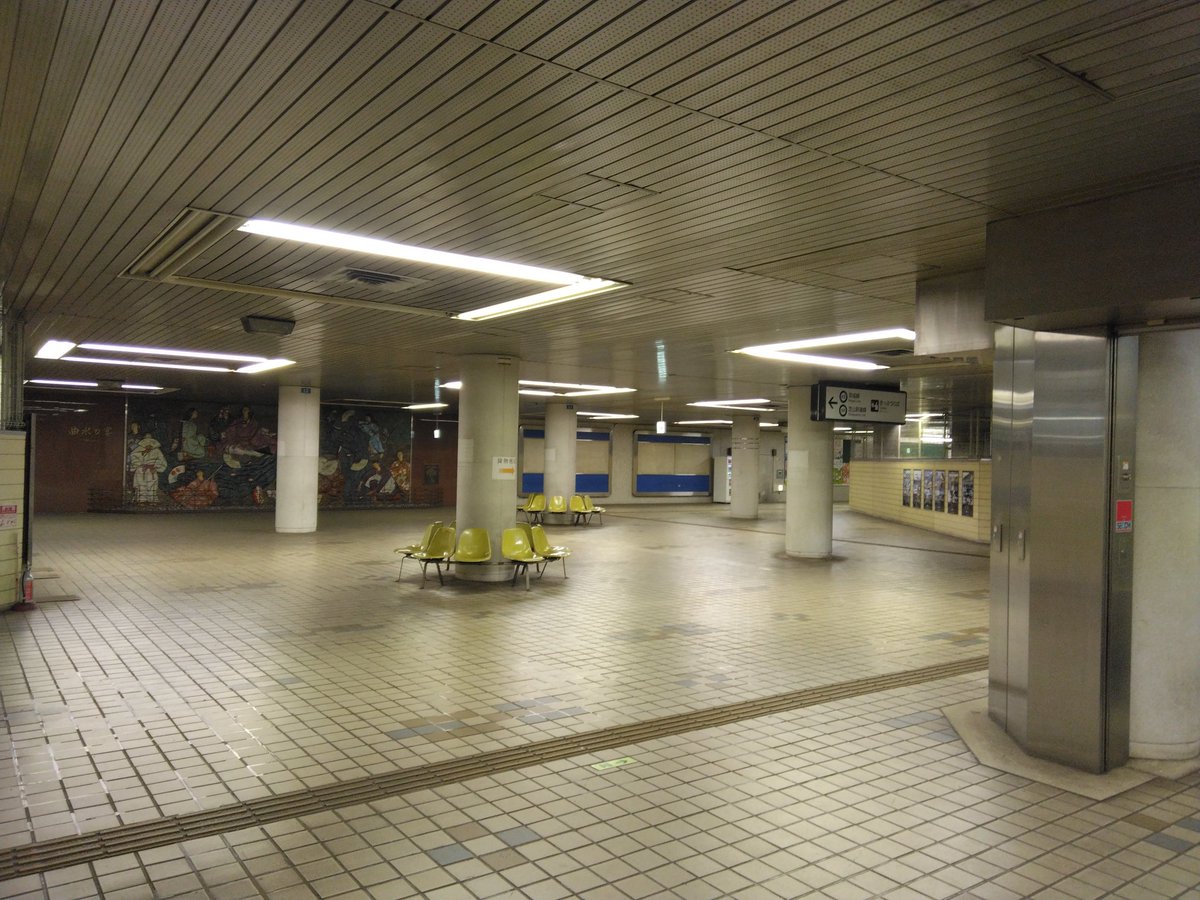
レベルという枠組みが人を惹きつけるのは、それが「見慣れているのに、どこかおかしい空間」を分類する言葉になっているからでしょう。均質さ、無人さ、出口の見えなさ——この3つが揃った空間は、現実の日本にも確かに存在します。
LIMapには、そうした場所が実際の位置情報つきで記録されています。設定の正誤を確かめに行くのではなく、あの感覚がどこにあるのかを確かめに行く。そういう楽しみ方ができます。

この記事が、あなたの知らない場所への入口になっていれば幸いです。
LIMapの運営を支援する(Ko-fi)→

.jpg?width=600)

.jpg?width=600)
What Are the Backrooms Levels? From Level 0 to The End — and Why There Is No Official Canon
Look into the Backrooms and you run into Level 0 and Level 37 almost immediately. Then you notice the wikis disagree, and it becomes unclear which version is real. Here are the levels people actually talk about — and an explanation of why no two sources match.
What a Level Actually Is
The shared framework is that the Backrooms is divided into layers called levels. Slip through a wall in reality and you land in Level 0; from there you can fall further into other layers, nested inside one another.
None of this was in the original post. The 2019 message on 4chan described one thing only: yellow rooms going on forever. The level system was invented afterwards, collaboratively, as people built out wikis.
The Levels People Actually Talk About
Level 0, the Lobby, is the yellow room everyone pictures: stained wallpaper, damp carpet, the hum of fluorescent tubes. No hostile entities, but no water or food either — and a non-Euclidean layout where walking in a straight line returns you somewhere else entirely.
Later levels shift into vast warehouse-like spaces, parking-garage-like spaces, and so on. The most popular of them is Level 37, the Poolrooms: blue tile and lukewarm water, closer to nostalgia than to fear.
At the far end sits The End. What is actually there, though, differs completely from wiki to wiki.
The Key Point: There Is No Official Canon
This is the part that trips people up. The Backrooms has no rights holder and no original author. The English wikis on Fandom, the ones on Wikidot, the Japanese-language wikis — each maintains its own separate continuity, and the same Level 4 will be described differently in each.
So hunting for the correct level list is close to meaningless: the answer changes with the source you happen to be reading. That is not a flaw. It is what collaborative fiction with no single author looks like.
The 2026 film works the same way. It follows the interpretation director Kane Parsons built in his own YouTube series — a 1990s research organisation called Async that found a doorway to another dimension — rather than adapting any wiki's canon.
Places Close to Level 0 Exist in the Real World
The level framework appeals to people because it gives a vocabulary to spaces that are familiar and wrong at the same time. Uniformity, emptiness, no visible exit — where those three line up, the feeling shows up in reality too.
LIMap records places like that with their actual locations. Not to verify anyone's canon, but to go and check where that feeling lives.
Found a liminal space of your own?
Record the photo and location on LIMap, and share it with people who feel the same pull toward these places.
Open the LIMap map
If this article opened a door to somewhere new,
you can support LIMap on Ko-fi →